The fashion industry looks like runways from the outside. From the inside it looks like calendars — sampling deadlines, fabric lead times, grading schedules and ship dates, all interlocked. Understand the calendar and you understand the industry.
The journey of a single garment
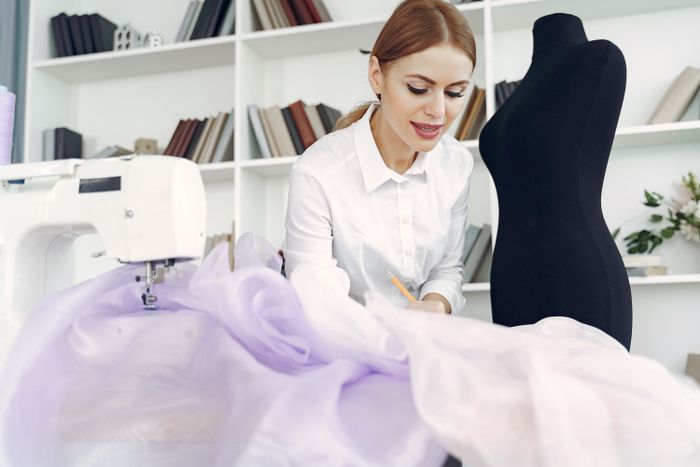
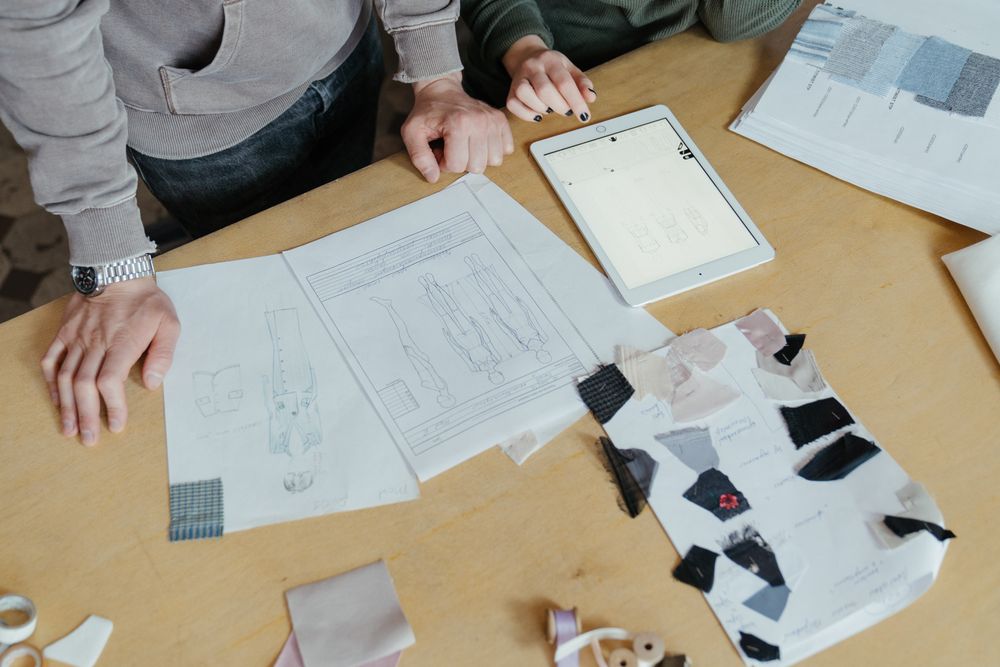
It starts with direction: colour, silhouette and fabric stories agreed months ahead. Sketches become technical packs; packs become patterns; patterns become toiles. The toile is fitted, corrected and fitted again — only then is the sample cut in final cloth.
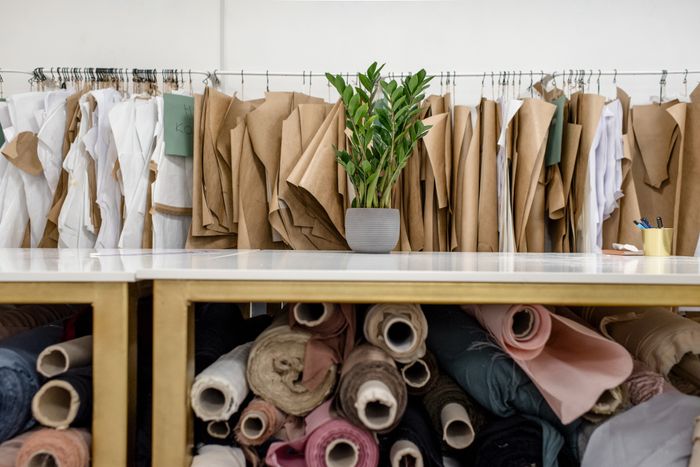
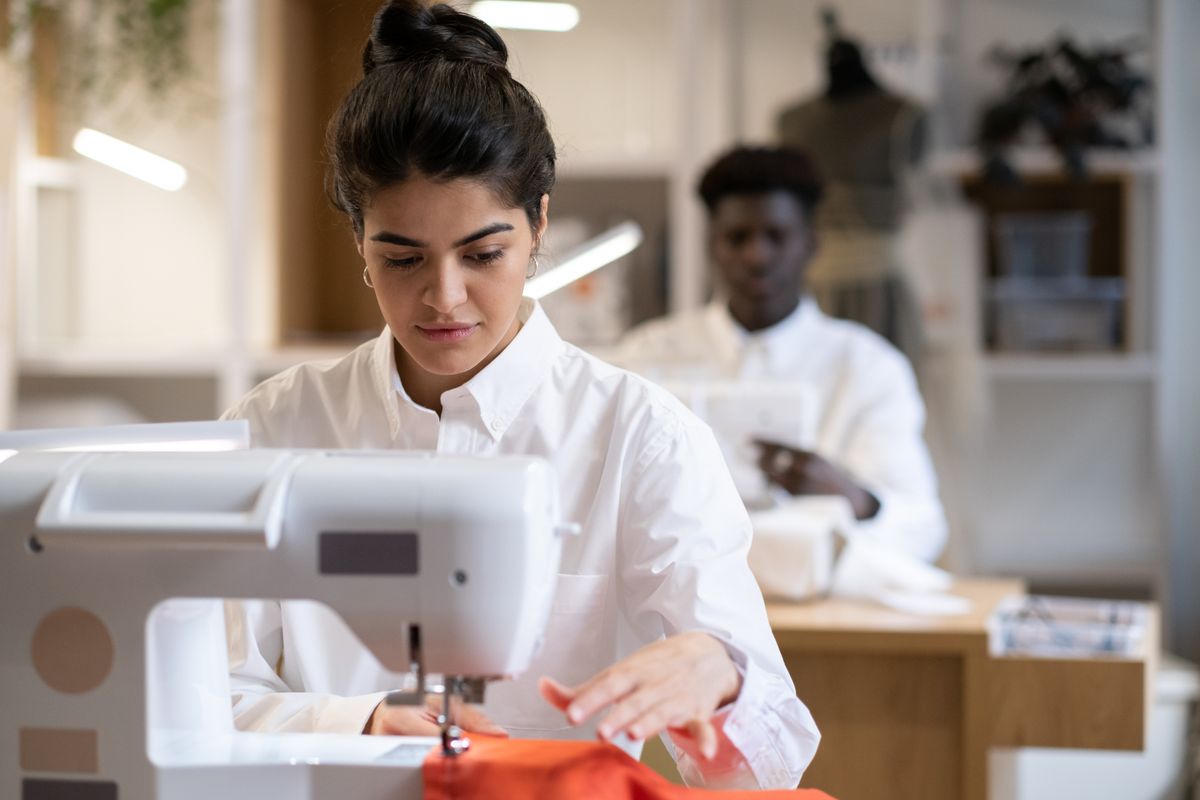
That sample travels: to buyers, to shoots, to costing meetings. If it survives, it is graded across sizes, markers are laid for minimal waste, and production begins. A simple shirt crosses perhaps forty hands before it reaches a rail.
“Every shortcut skipped in sampling reappears tenfold in production. The toile is the cheapest place to make mistakes.”
Where independents fit in
Big brands optimise for volume; independent ateliers optimise for fit and finish. That is our lane: small runs, honest cloth, patterns fitted on real bodies. The industry needs both — volume dresses the world, craft shows it what is possible.
Working with the industry, not against it
Commissioning an atelier plugs you straight into this machinery without the overhead: you get the flats, patterns, samples and maker relationships, sized to your project. Whether you are launching a label or ordering one perfect suit, the process is the same — only the scale changes.