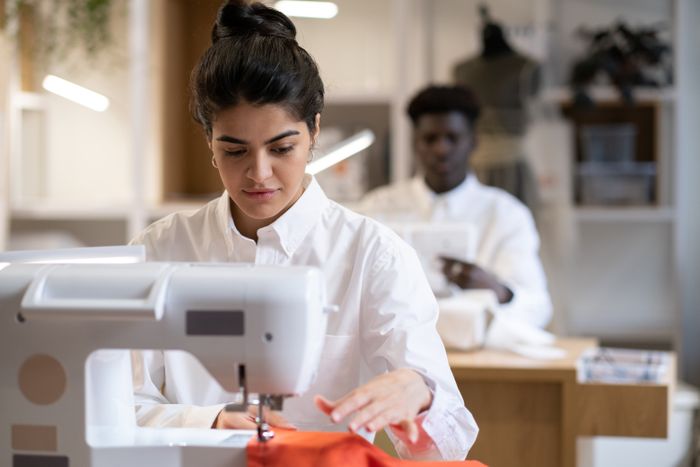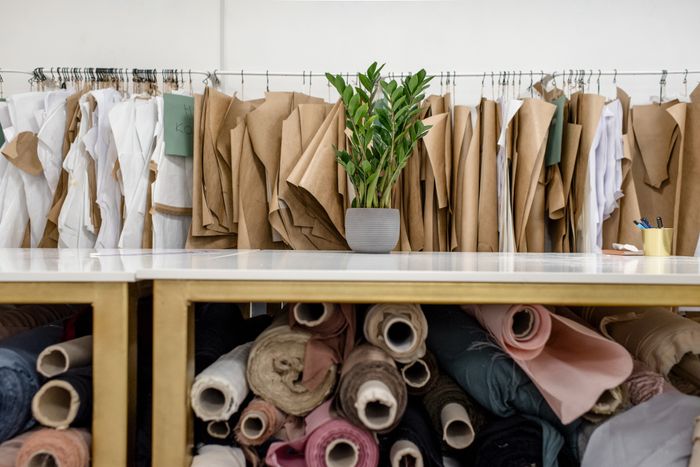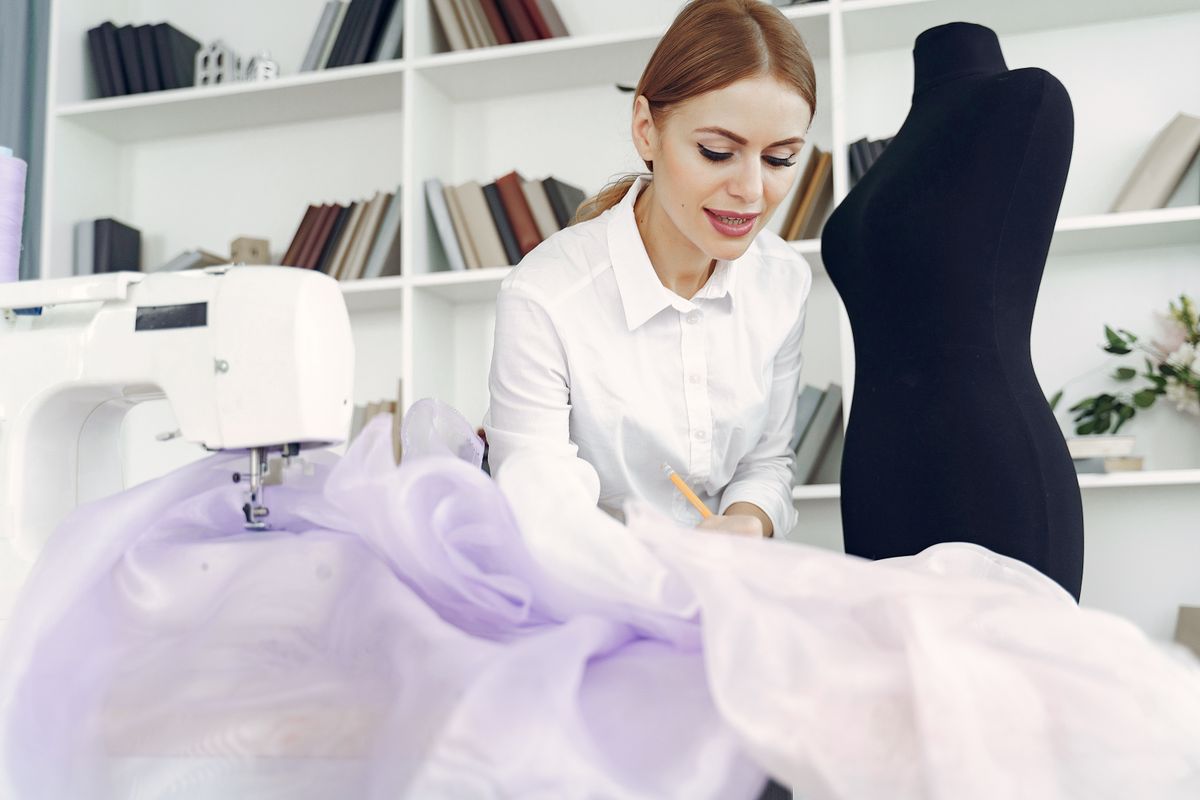
Ask a child what a fashion designer does and they will say: draw pretty dresses. Ask a working designer on a Tuesday and you will get a longer answer — one involving spec sheets, supplier calls, fitting notes and a measuring tape that never leaves the neck.
Design is perhaps twenty percent of the job. The rest is translation: turning an idea into instructions a pattern maker, machinist and finisher can all follow without guessing. The designers who thrive are the ones who love that translation work as much as the sketching.
What the role really covers
A designer owns the garment from first reference to final press. That means researching direction, sketching the range, building technical packs, fitting toiles, approving cloth and trims, costing against targets and signing off production — then doing it again next season, faster.
“Talent gets you the interview. Reliability gets you the career — show up with measured drawings and finished samples, every time.”
Skills that actually get you hired
Drawing matters, but pattern literacy matters more. Studios hire designers who can read a toile, spot a balance issue and speak the maker's language. Add basic grading knowledge, fabric science and honest time management, and you become the person every atelier wants to keep.
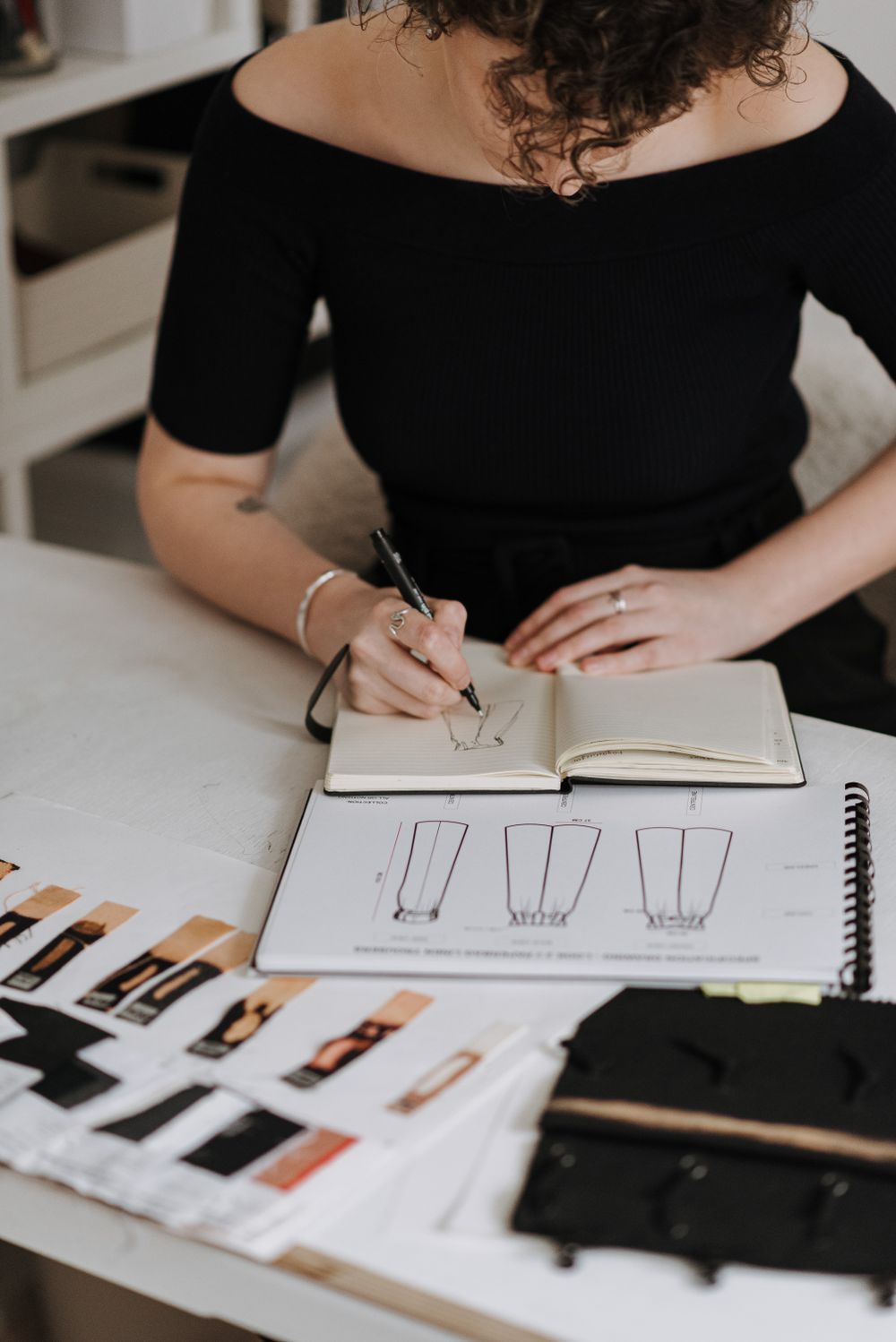
Realistic paths into the industry
Most careers start assisting: prepping toiles, tracing patterns, sitting in on fittings and learning how decisions get made. From there the forks appear — bridal, tailoring, labels, costume, or independent atelier work like ours. Each rewards depth over breadth, so pick the craft that keeps you curious at midnight and go deep.
If that sounds like your kind of work, our door is open: we take two interns each season, and we hire from that bench first.